
ECDC's guide to a safe summer
Summer is a time for travel, outdoor activities, swimming, and social gatherings. While these activities bring many opportunities to enjoy the season, they can also increase exposure to certain infectious diseases and health risks.
Across Europe, changing environmental conditions, increased travel, and seasonal activities can influence how and where some diseases occur. At the same time, many health risks can be reduced through simple preventive measures.
This page brings together practical information on some of the main health issues people may encounter during the summer months, including mosquito-borne diseases, tick-borne diseases, sexually transmitted infections, foodborne diseases, vibriosis and vaccination. Understanding the risks and taking simple precautions can help protect both individuals and communities.
Mosquito-borne diseases
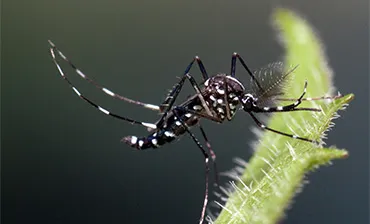
Mosquito-borne diseases are becoming more common in Europe and globally.
While dengue and chikungunya remain largely associated with international travel, local transmission is happening more frequently in parts of Europe where there are mosquitoes that can spread these viruses.
West Nile virus is already present in several European countries.
- Mosquitoes that can transmit viruses such as dengue, chikungunya and West Nile virus are now found in more parts of Europe than before.
- Travellers can become infected with dengue and chikungunya in areas where these viruses are circulating, but transmission also occurs locally in some parts of Europe where the mosquitoes capable of transmitting these viruses are established.
- Not all infections cause symptoms. Some people may have mild symptoms or no symptoms at all, while others may develop fever, headache, rash, muscle or joint pain.
- Older people and people with underlying health conditions may be at higher risk of severe illness, particularly with West Nile virus infection.
- If you are travelling to places where the mosquitoes are present, check the disease situation and public health advice before travelling.
- Protect yourself from mosquito bites using repellent, protective clothing and indoor protection measures such as window screens, air conditioning or mosquito nets.
- If you live in places where the mosquitoes are present, reduce standing water around homes and gardens where mosquitoes can breed.
- Monitor your health during and after travel and seek medical advice if symptoms develop.
- Monitoring dengue, chikungunya and West Nile virus activity across Europe.
- Supporting countries through surveillance, risk assessment and outbreak response.
- Coordinating information on mosquito distribution, disease trends and public health risks.
- Working with countries and partners to strengthen preparedness, prevention and public awareness.
Related resources
Tick-borne diseases
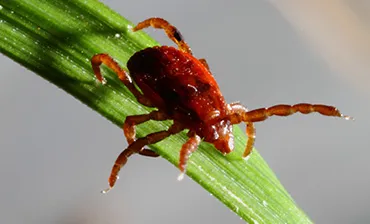
Ticks are found in many parts of Europe and can transmit diseases such as Lyme borreliosis and tick-borne encephalitis (TBE).
Ticks become active from spring to autumn, and because people tend to spend more time outdoors then, the chances of being exposed to ticks increases.
- Ticks are commonly found in forests, grasslands, parks and other areas with vegetation.
- The two main tick-borne diseases of public health concern in Europe are Lyme borreliosis and tick-borne encephalitis (TBE).
- Only infected ticks can pass the infection on to people.
- Early recognition of symptoms and timely medical advice can help ensure appropriate care.
- An effective vaccine is available for tick-borne encephalitis.
- Children and pets may be more exposed to ticks during outdoor activities.
- Use insect repellent and wear long sleeves and long trousers when spending time in areas where ticks may be present.
- Stay on paths where possible and avoid unnecessary contact with vegetation.
- Check yourself, your children and your pets for ticks after outdoor activities.
- Remove attached ticks as soon as possible and monitor yourself for symptoms.
- Consider vaccination against tick-borne encephalitis where recommended.
- Monitoring trends in tick-borne encephalitis across Europe.
- Supporting surveillance and data collection to better understand disease patterns.
- Providing scientific advice and information on prevention, vaccination and risk reduction.
- Working with countries to improve awareness and preparedness.
Related resources
Sexually transmitted infections
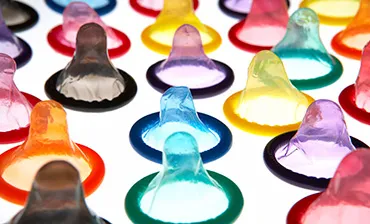
Sexually transmitted infections (STIs) are increasing across Europe.
Many STIs can be prevented through simple protective measures, regular testing and open conversations about sexual health.
- STI cases have reached record levels across Europe.
- Many sexually transmitted infections do not cause symptoms.
- Untreated infections can lead to serious health problems and long-term complications.
- Some infections are becoming harder to treat due to antimicrobial resistance.
- Testing is a normal and important part of sexual health.
- Looking after your sexual health helps protect both you and your partners.
- Use condoms correctly and consistently.
- Talk openly with partners about sexual health, testing and prevention.
- Consider vaccination and other prevention options that may be appropriate for you.
- Get tested after unprotected sex, if you have multiple sexual partners, or if you develop symptoms.
- Seek medical advice promptly if you think you may have been exposed to HIV, mpox or other STIs
- Monitoring STI trends across Europe, including chlamydia, gonorrhoea and syphilis.
- Supporting countries in strengthening prevention, testing, treatment and surveillance.
- Monitoring antimicrobial resistance in sexually transmitted infections.
- Providing guidance on prevention tools, including testing, vaccination and HIV prevention options.
Related resources
Foodborne diseases

Foodborne diseases can affect anyone and are often preventable.
While many infections cause mild symptoms and resolve within a few days, some can lead to severe illness, hospitalisation or even death.
- Summer activities such as travelling, picnics, barbecues, and outdoor events can increase the risk of foodborne illness.
- Contaminated foods may appear, taste and smell normal.
- Food can become contaminated at any stage, from production to preparation at home.
- Older adults, pregnant people and people with weakened immune systems are at higher risk of severe illness. Young children are also at risk when sick, as they are more sensitive to dehydration than healthy adults.
- Proper hygiene and food preparation practices can significantly reduce the risk of getting a foodborne illness.
- Cook food thoroughly, particularly poultry and other meats.
- Wash fruit and vegetables before eating them.
- Wash your hands and kitchen surfaces properly before and after cooking.
- Keep raw and cooked foods on separate plates and use separate kitchen tools.
- Store perishable foods safely and keep refrigerators at 5°C or below.
- Avoid washing raw chicken or consuming unpasteurised products.
- Monitoring foodborne diseases and outbreaks across Europe.
- Working with national public health authorities and partners to detect and investigate outbreaks.
- Providing scientific advice on prevention, surveillance and public health response.
- Supporting information sharing between countries when outbreaks affect more than one country.
Related resources
Vibriosis
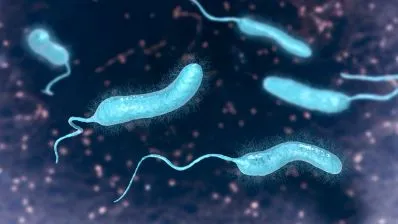
Vibrio bacteria occur naturally in some coastal waters during the summer months and can also be present in raw or undercooked shellfish.
While infections remain relatively rare in Europe, warmer water temperatures can increase the growth of these bacteria and the risk of infection.
- Warmer summers can create favourable conditions for bacterial growth.
- People with weakened immune systems, chronic liver conditions or other underlying health conditions are at higher risk of severe illness.
- Most infections can be prevented with simple precautions.
- Avoid swimming with open wounds, recent piercings or cuts, or cover them with a waterproof dressing.
- Wash cuts, scratches and wounds with clean fresh water after contact with seawater.
- Avoid eating raw or undercooked shellfish, particularly oysters.
- Cook seafood thoroughly.
- Monitoring Vibrio infections and environmental conditions that may increase risk.
- Providing risk assessments and seasonal updates when conditions favour bacterial growth.
- Supporting countries in improving surveillance and awareness.
- Working to better understand how environmental and climate conditions influence Vibrio infections in Europe.
Related resources
Vaccination
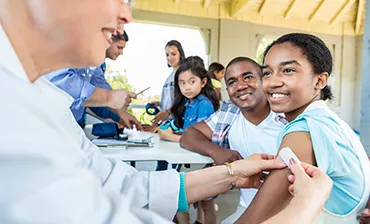
Vaccination helps protect people from disease, whether at home or travelling.
Checking vaccination calendars ahead of the summer season and before travelling can lower the chances of getting sick and prevent the spread of vaccine-preventable diseases.
- Vaccination recommendations vary depending on age, health status, vaccination history and travel destination.
- Some vaccines require multiple doses or need time to provide protection.
- Vaccination helps protect both individuals and communities.
- Travelling may expose people to diseases that are preventable by vaccines, and which might be uncommon in their home country.
- Check your vaccination status and make sure you and your children are up to date with routine vaccinations.
- Check destination-specific vaccination recommendations before travelling.
- Book vaccination appointments early.
- Consult your healthcare provider if you are unsure which vaccinations may be recommended for you.
- Providing scientific advice on vaccine-preventable diseases and immunisation programmes.
- Supporting countries in monitoring vaccination uptake and disease trends.
- Sharing evidence-based information on vaccination for the public and healthcare professionals.
- Working with European and international partners to strengthen vaccination and disease prevention efforts.