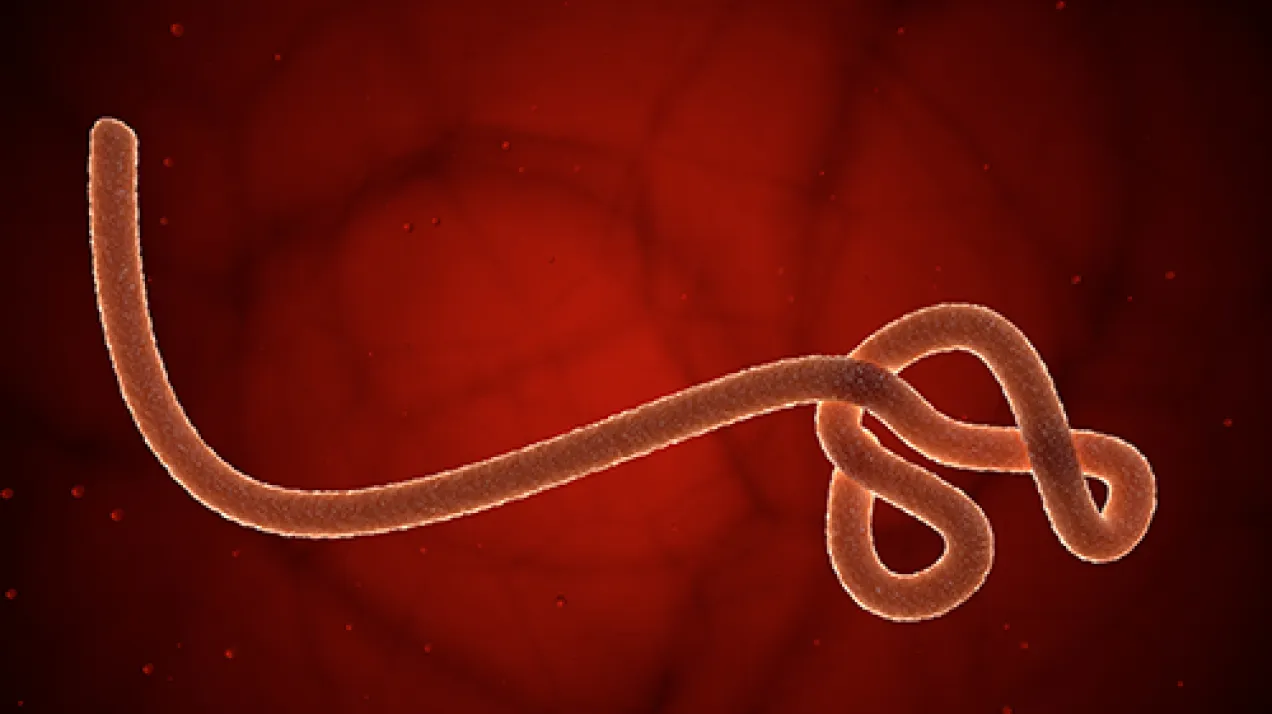
ECDC to deploy experts as Ebola cases emerge in Kenya and Nigeria
Following the emergence of Ebola disease in Kenya and Nigeria, and with the situation in the Democratic Republic of Congo (DRC) remaining serious, the European Centre for Disease Protection and Control (ECDC) is increasing its efforts to support investigations and local response by sending a team of ECDC experts to Nigeria.
The team deployed to Nigeria this week is led by ECDC’s senior expert in epidemic intelligence. The experts will provide advice and technical support to the EU Delegation in Abuja, while support has also been offered to the Nigerian authorities to assist with surveillance, contact tracing, infection prevention and control, as well as preparedness and response.
ECDC has been providing direct support since the current Ebola outbreak began in May 2026, with the first experts deployed to support Africa CDC in May. In June, the Centre led a fact-finding mission on exit screening at airports in DRC and Uganda, while experts have also been deployed to South Sudan. All deployments are coordinated by the EU Health Task Force, which provides support to countries in Europe and around the world to identify gaps in preparedness and response connected to infectious diseases. The Task Force also provides expert advice, operational support and technical guidance wherever needed, helping to strengthen health security.
ECDC continues to liaise with key partners, including the Africa Centres for Disease Control and Prevention (Africa CDC), the European Commission, the World Health Organization, the EU Delegation in Nigeria and the Nigeria Centre for Disease Control and Prevention, to provide support through the EU Health Task Force in response to the situation in Nigeria.
According to ECDC’s latest threat assessment, the likelihood of infection for people from Europe living in or travelling to affected areas in Kenya and Nigeria is low, provided they follow recommended precautions. The likelihood of the virus spreading further in Europe is considered very low, and the overall risk to the EU/EEA population therefore remains very low.
To support preparedness in EU Member States, ECDC has developed a practical checklist for national authorities to review internal procedures and strengthen system readiness, ensuring they can react quickly and effectively. The Centre has also published risk assessment guidelines to support public health authorities after the identification of a case of Ebola disease during or after a flight, and advice on infection prevention and control measures. More information can be found on the dedicated webpage and in ECDC’s detailed Q&A.