Periodic monitoring
Active
Key facts
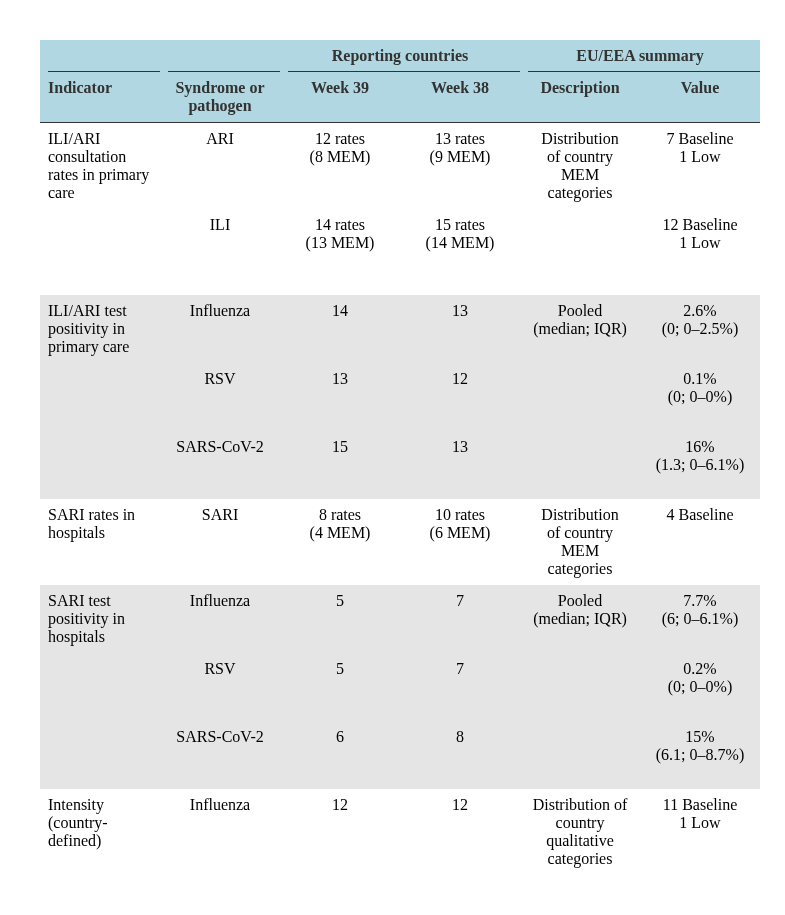
- Consultation rates for respiratory illness in both primary and secondary care settings are increasing in some Member States, yet remain at baseline levels across all EU/EEA countries, except for Denmark and Spain, which reported low activity in primary care settings.
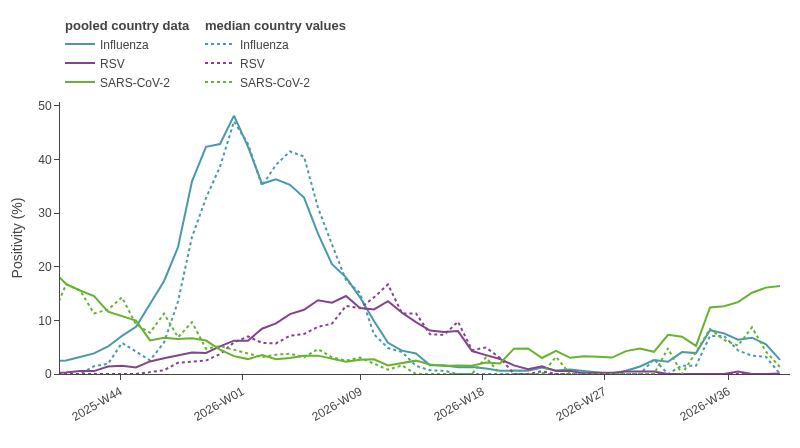
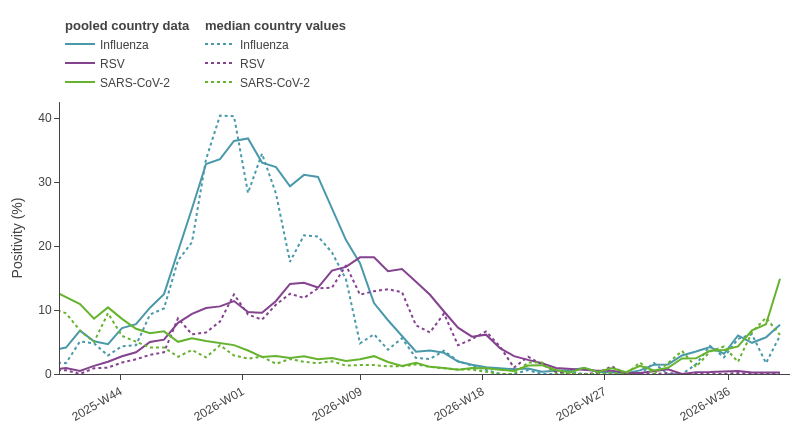
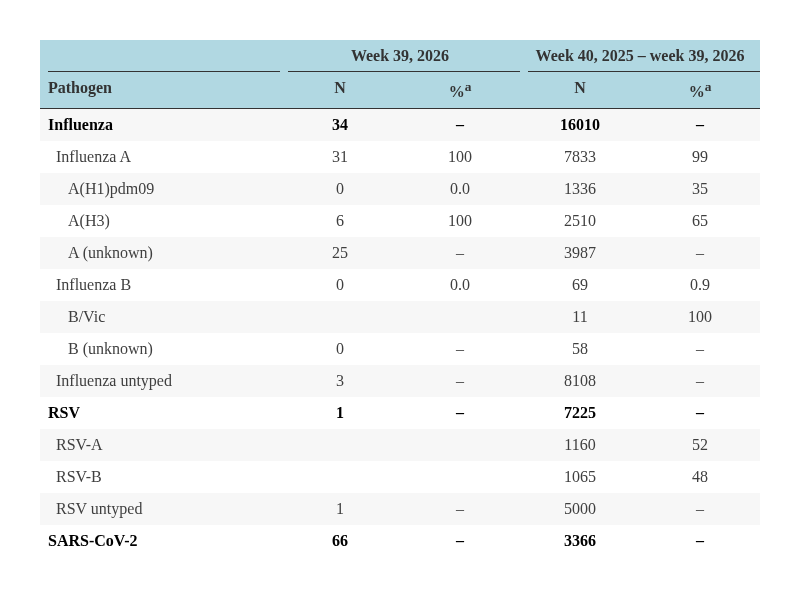
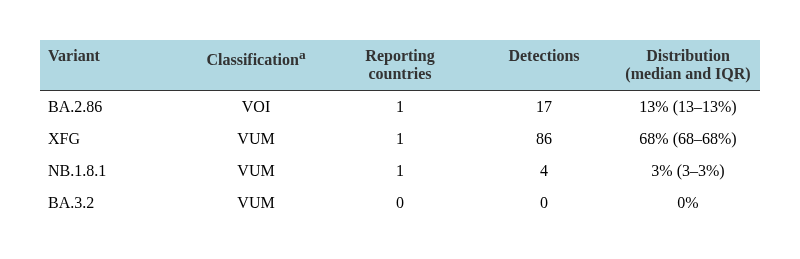
- SARS-CoV-2activity is increasing slightly in primary care and has also increased in secondary care in comparison to last week. Detections in primary care are mainly related to individuals aged 15 years and above, while in secondary care they primarily concern adults aged over 65 years.
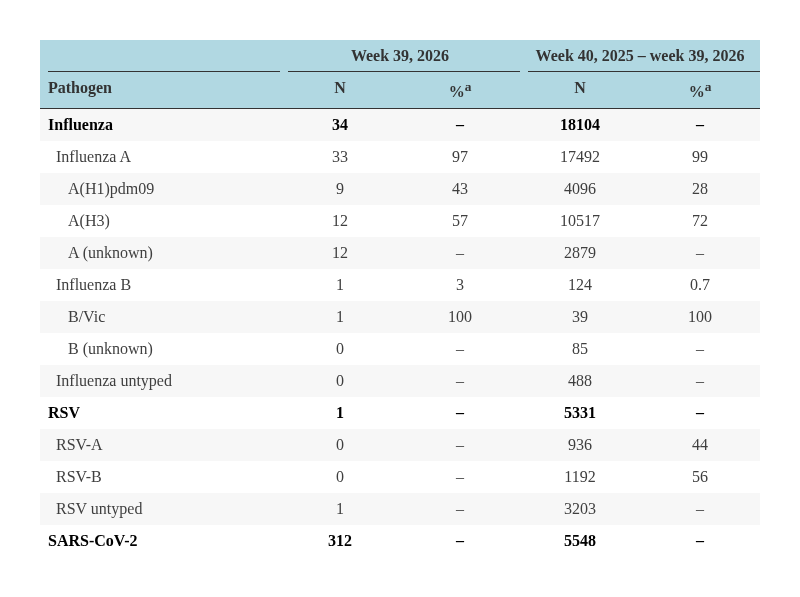
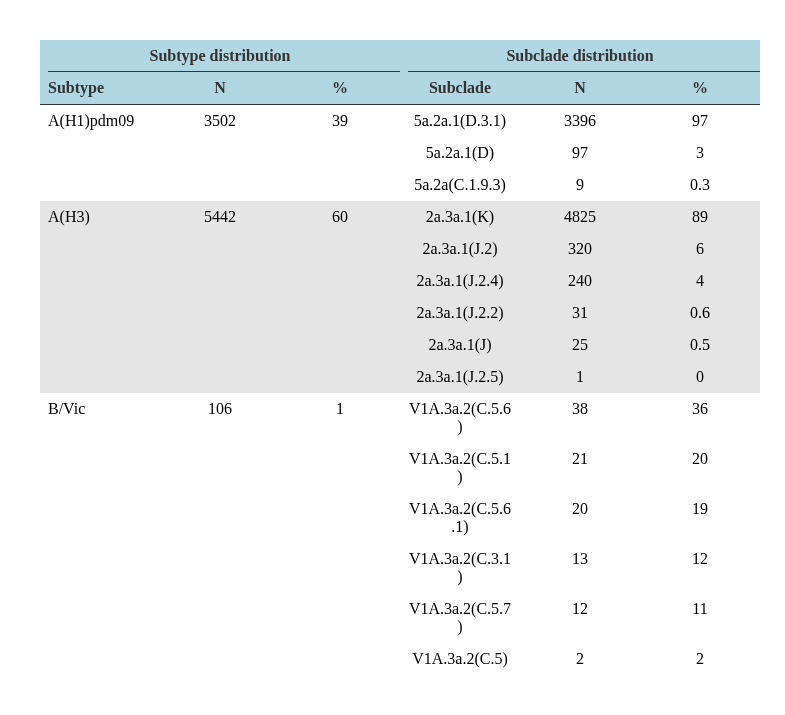
- Influenza virus activity is at baseline levels overall, with only a few countries reporting detections in primary or secondary care. Detections in secondary care have slightly increased in comparison to last week and mainly concern adults aged over 65 years. Most detections are influenza A viruses.
- Respiratory syncytial virus (RSV) activity is low and at expected inter-epidemic levels.
You are viewing an earlier update for this public health event. You can also view the most recent update.
Overview
ECDC monitors respiratory illness rates and virus activity across the EU/EEA. Findings are presented in the European Respiratory Virus Surveillance Summary (ERVISS.org), which is updated weekly.
Key visualisation from the weekly bulletin are included below.
All data are provisional and may be affected by reporting delays, incomplete country data or low testing volumes. A few countries with high testing rates can disproportionately influence pooled data. Further information is available under ‘Country notes’ and ‘Additional resources’.