
Strengthening health security in migration contexts: Insights from Samir Hadjiabduli
Samir Hadjiabduli, Chief Migration Health Officer at the International Organization for Migration (IOM) in Egypt, shared insights on strengthening health security in migration and mobility contexts during a regional workshop on health challenges linked to mass population displacements taking place on 16–18 December 2025.
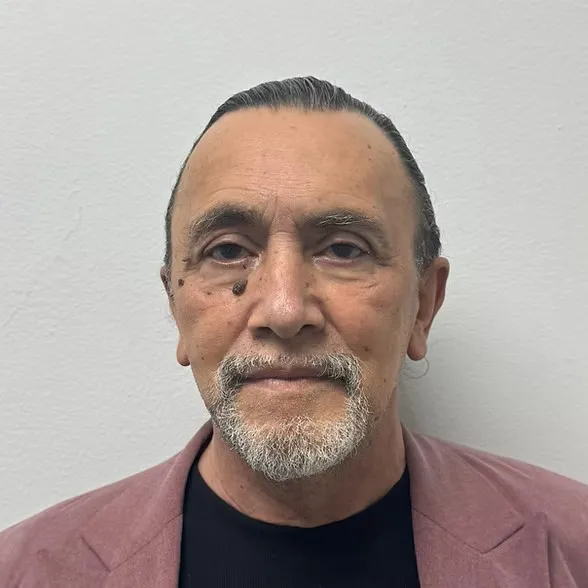
In this interview, conducted at the margins of the event, he reflects on Egypt’s experience in responding to large-scale population movements, the role of mobile health services, and key lessons for preparedness and regional coordination.
What are the main health-related challenges Egypt faces in responding to displacement and migration?
Egypt hosts over nine million migrants and refugees, placing significant pressure on national health systems, particularly at points of entry and along migration corridors. While authorities have shown strong readiness and commitment, limited resources and fragmented services remain key challenges. Ongoing regional crises have increased health risks, making early detection, prevention, and continuity of care essential.
How does IOM support health screening and vaccination under these conditions?
IOM works in close coordination with the Ministry of Health and Population and, United Nations partners to strengthen national capacity in Egypt. Through medical convoys and mobile health units, services are delivered directly to communities in Cairo, Alexandria, Aswan, and Luxor, which are all key locations along migration routes.
Mobile diagnostics, including handheld X-ray devices, allow for large-scale screening for tuberculosis and other respiratory diseases. Treatment for TB and HIV is provided free of charge in Egypt, including for migrants. Community engagement and training of health ambassadors help address vaccine hesitancy and ensure no one is left behind.
What lessons from Egypt could be relevant to other countries in the region?
A key lesson is anticipation and preparedness. Monitoring migration trends allows early positioning of resources rather than reactive responses. Strong coordination, shared dashboards, and clear division of roles reduce duplication and improve efficiency.
Investing in training, standard operating procedures, and rapid response capacity at border points, aligned with International Health Regulations, has proven critical. Mobile health services stand out as a high-impact solution, especially in areas which are hard to reach by healthcare providers.
‘Anticipation and preparedness are key - monitoring migration trends allows countries to position resources early rather than respond reactively.’
How do events like this one, organised under the EU Initiative on Health Security, contribute to promoting health security in the region?
These events provide an excellent platform to strengthen multi-sectoral collaboration by bringing together decision-makers and frontline actors from across the region. It enables practical exchange of experiences, improves transparency, and supports more coordinated and realistic responses to shared health threats.
Looking ahead, which measures do you think will be most critical to strengthening frontline preparedness in migration and mobility settings?
Greater integration between health systems, border management, and humanitarian actors, combined with expanded mobile diagnostic and response capacity, would significantly enhance preparedness. Mobility allows rapid action, early detection, and continuity of care - all key pillars of effective health security in migration contexts.


