
ECDC supports Latvia’s review of the 2025 leptospirosis outbreak response
ECDC together with the Latvian national authorities and the EU Health Task Force (EUHTF), completed an After-Action Review (AAR) to strengthen future preparedness and response to leptospirosis and other zoonotic disease outbreaks.
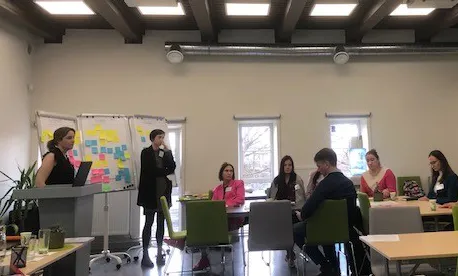
The European Centre for Disease Prevention and Control (ECDC), in collaboration with Latvian national authorities and the EU Health Task Force (EUHTF), conducted an After Action Review (AAR) in Riga on 19–20 March 2026 following the country’s 2025 leptospirosis outbreak*. The review assessed how the response was managed, identifying good practices, gaps and lessons learned to support stronger preparedness for future zoonotic threats.
AARs are carried after significant public health events to assess what worked well, what did not, and why. Insights from the process help ensure that effective practices are maintained, gaps are addressed, and lessons learned are shared with relevant stakeholders. This process contributes to improving national and regional capacities for prevention, early detection and response to cross-border health threats.
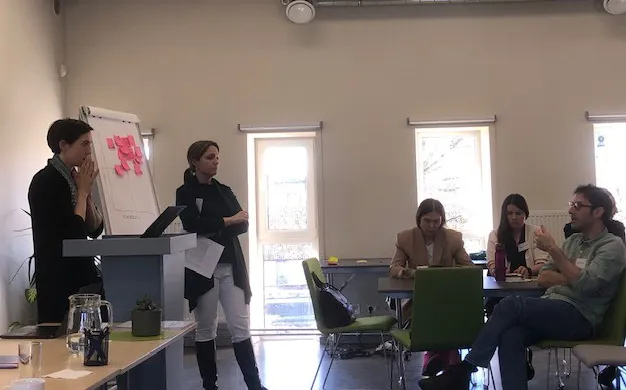
ECDC, through the EUHTF, has guided the design and implementation of the review and is supported by experts from EU Member States with specialised knowledge in leptospirosis.
The AAR offered Lativia an opportunity to analyse its outbreak response and draw lessons to strengthen public health systems.
The specific objectives of the review were to:
- Identify challenges, good practices, gaps and areas for improvement in early detection and response within the surveillance system;
- Assess collaboration between sectors involved in outbreak response;
- Develop actionable recommendations to improve surveillance, response and multisectoral collaboration under a One Health approach.
The AAR brought together epidemiologists, public health professionals, microbiologists surveillance experts and other experts involved in Latvia’s leptospirosis outbreak response. Participants also included professionals engaged in response coordination, preparedness planning and crisis communication during public health events.
The EU Health Task Force
The EUHTF is a public health workforce, coordinated by ECDC, which can be deployed to provide rapid support to European Union/European Economic Area (EU/EEA) countries and beyond in response to public health threats related to communicable diseases or diseases of unknown origin. The EUHTF strengthens preparedness and response capacity through the deployment of multidisciplinary teams, the organisation of training activities, and the provision of targeted technical assistance.
By bringing together expertise from across Europe, the EUHTF enhances collaboration, facilitates exchange of experience and skills, supports swift action during public health emergencies and improves national and cross-border preparedness and response, thereby enhancing EU-wide resilience.
* Leptospirosis is a widespread disease caused by leptospires bacteria and that can be transmitted between animals and humans. The peak of the outbreak of leptospirosis in Latvia was detected between September and November 2025, during which the number of reported cases was approximately 20 times higher than the usual annual average of 0–6 cases. In total, 69 cases were reported in 2025.
Latvia experienced an unusually wet summer in 2025, with severe flooding affecting agricultural areas between May and June. These conditions likely contributed to the outbreak. The exceptionally rainy summer may have supported the survival of Leptospira in the environment (water and soil), facilitated wider spread within the rodent population, and increased the risk of transmission from rodents to humans.


