
ECDC brings European Union/European Economic Area (EU/EEA) countries together to strengthen public health emergency preparedness
The European Centre for Disease Prevention and Control (ECDC) hosted a joint workshop, bringing together ECDC Management Board members and ECDC National Focal Points for Preparedness and Response to take stock of progress with the Public Health Emergency Preparedness Assessments* (PHEPA) that are being conducted by ECDC across the European Union/European Economic Area (EU/EEA) countries.
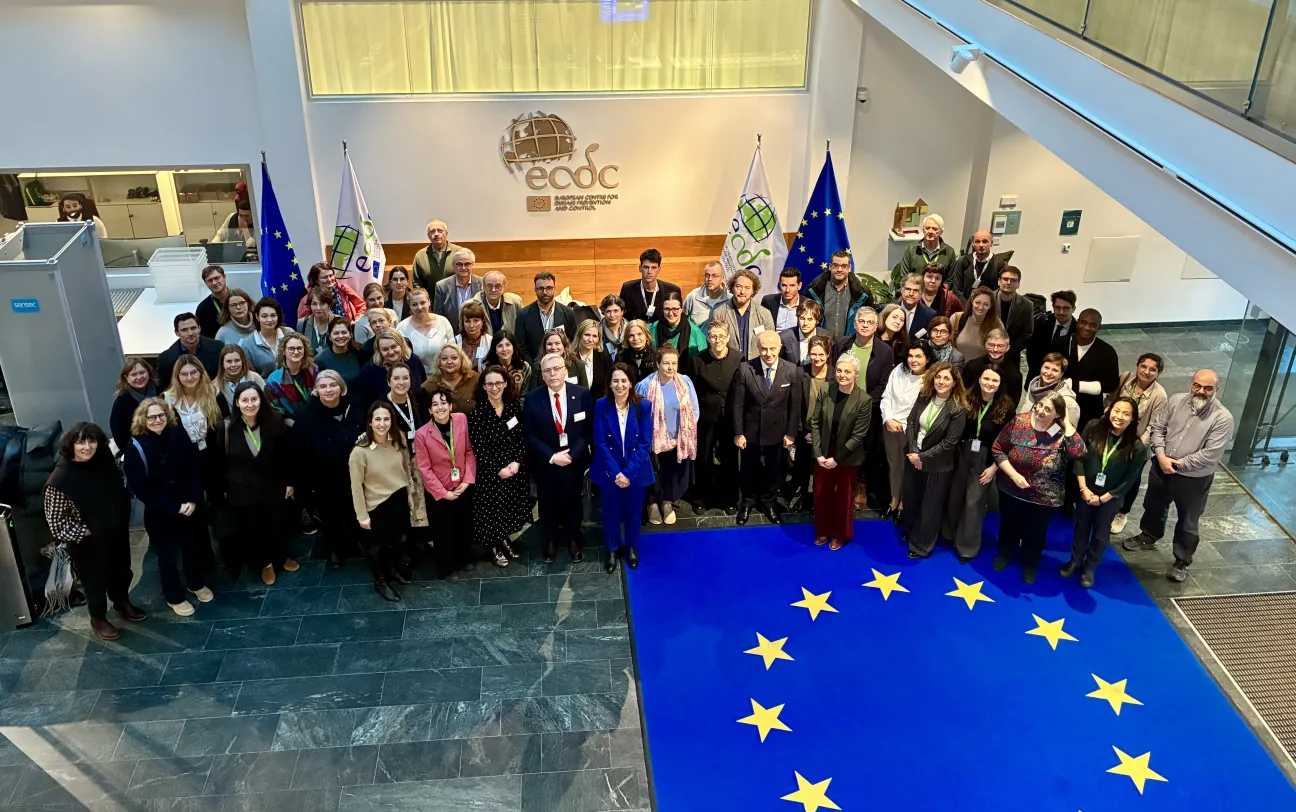
As the first PHEPA cycle (2024–2026) nears completion, the meeting highlighted strong engagement from participating countries, with 22 assessment missions already conducted and preparations ongoing for the remaining visits. The process has brought together stakeholders across various sectors, facilitating exchanges of opinions and practices on preparedness and response capacities.
The meeting focused on the role of PHEPAs in strengthening health security across the EU/EEA. Through structured exchanges, participants explored the key findings from the assessments, particularly the strengths identified and the gaps that remain, along with possible ways to enhance countries’ ability to respond to future public health crises.
The meeting also facilitated the exchange of experiences and strategies for developing and implementing action plans following the PHEPA process.
A key element of these discussions was the value of collaboration and peer learning. The PHEPA process allows countries to exchange experiences, challenges and practical approaches, contributing to stronger and more coordinated preparedness in the EU. In addition, ECDC used the opportunity to outline the approach for the second cycle of PHEPAs (2027–2029).
Beyond the assessment missions, ECDC continues to support countries through targeted follow-up action, including through the EU Health Task Force, encouraging them to use the PHEPA process to prioritise needs, engage decision-makers and strengthen national preparedness systems.
*ECDC conducts Public Health Emergency Preparedness Assessments (PHEPAs) in all EU/EEA countries every three years, with the support of key EU Commission services (the Directorate-General for Health and Food Safety - DG SANTE and the Health Emergency Preparedness and Response Authority - DG HERA), other EU agencies, bodies and relevant stakeholders. The aim of the PHEPAs is to assess the prevention, preparedness and response planning capacities of each EU/EEA country in dealing with health threats and crises. Following individual country assessments, ECDC provides recommendations for countries to strengthen their capacities.
The assessments cover various aspects of public health preparedness, including surveillance systems, laboratory capacity, health emergency management, risk communication and coordination mechanisms, and are performed by an ECDC-led team, in close collaboration with the national authorities in each country.
PHEPAs are part of a three-year reporting and assessment cycle for prevention, preparedness and response planning, established in 2023 under Regulation (EU) 2022/2371.


