
ECDC and Africa CDC pilot mobile application for event-based surveillance
ECDC, in partnership with the Africa Centres for Disease Control and Prevention (Africa CDC) and the Health Information Systems Program South Africa (HISP SA), are piloting a mobile application for event-based surveillance to enable the rapid collection and assessment of information about events that may signal a public health threat.
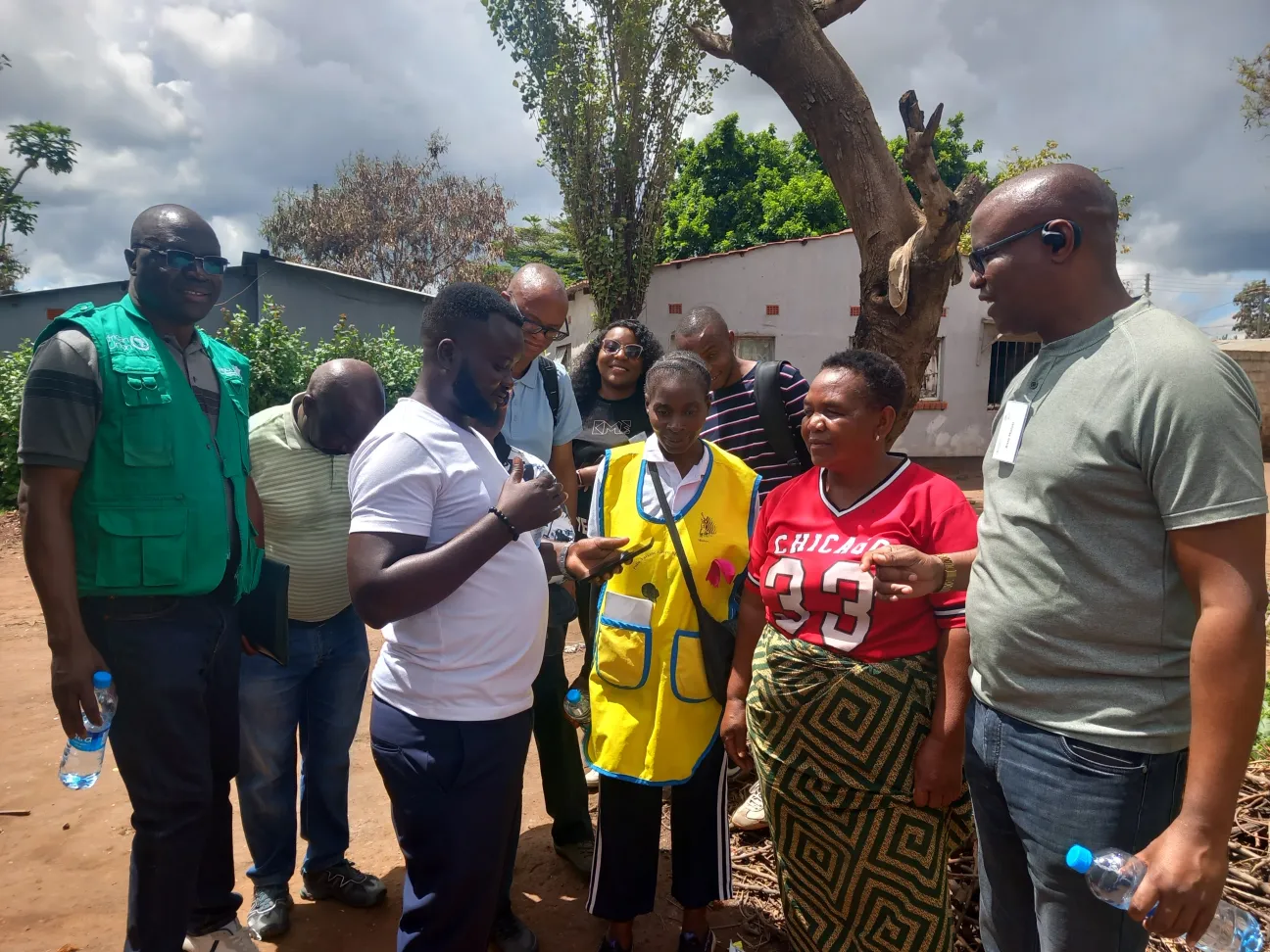
Following an initial development phase, ECDC and Africa CDC are now working on a pilot to refine and test a mobile application for event-based surveillance under real-world conditions in Zambia, in collaboration with the Zambia National Public Health Institute and HISP SA, the technical partner that developed the application.
The application will be deployed across several African countries, supporting healthcare volunteers who work closely with local communities. It is designed to simplify and improve how frontline healthcare workers capture and share signals about potential public health threats in the communities they serve, enabling real-time reporting and follow-up.
The pilot will focus on testing the main features of the application, including field-based information collection and reporting. This involves collecting information on potential public health threats reported by community members and submitting these signals to surveillance officers at the district level, who assess whether further verification and risk assessment is needed. The pilot will also test the workflows supporting signal verification and decision-making on whether to initiate a risk assessment.
As part of the pilot, a dedicated training and field implementation week was held in Lusaka, during which ECDC and Africa CDC supported the Zambia National Public Health Institute to conduct practical exercises and field testing. Participants collected signals in communities, applied triage procedures, and evaluated the usability of the application, which automatically sends reported information to the national system used by health authorities for follow-up. Community-based volunteers supported the field activities and all participants provided feedback on the reporting and response workflows.
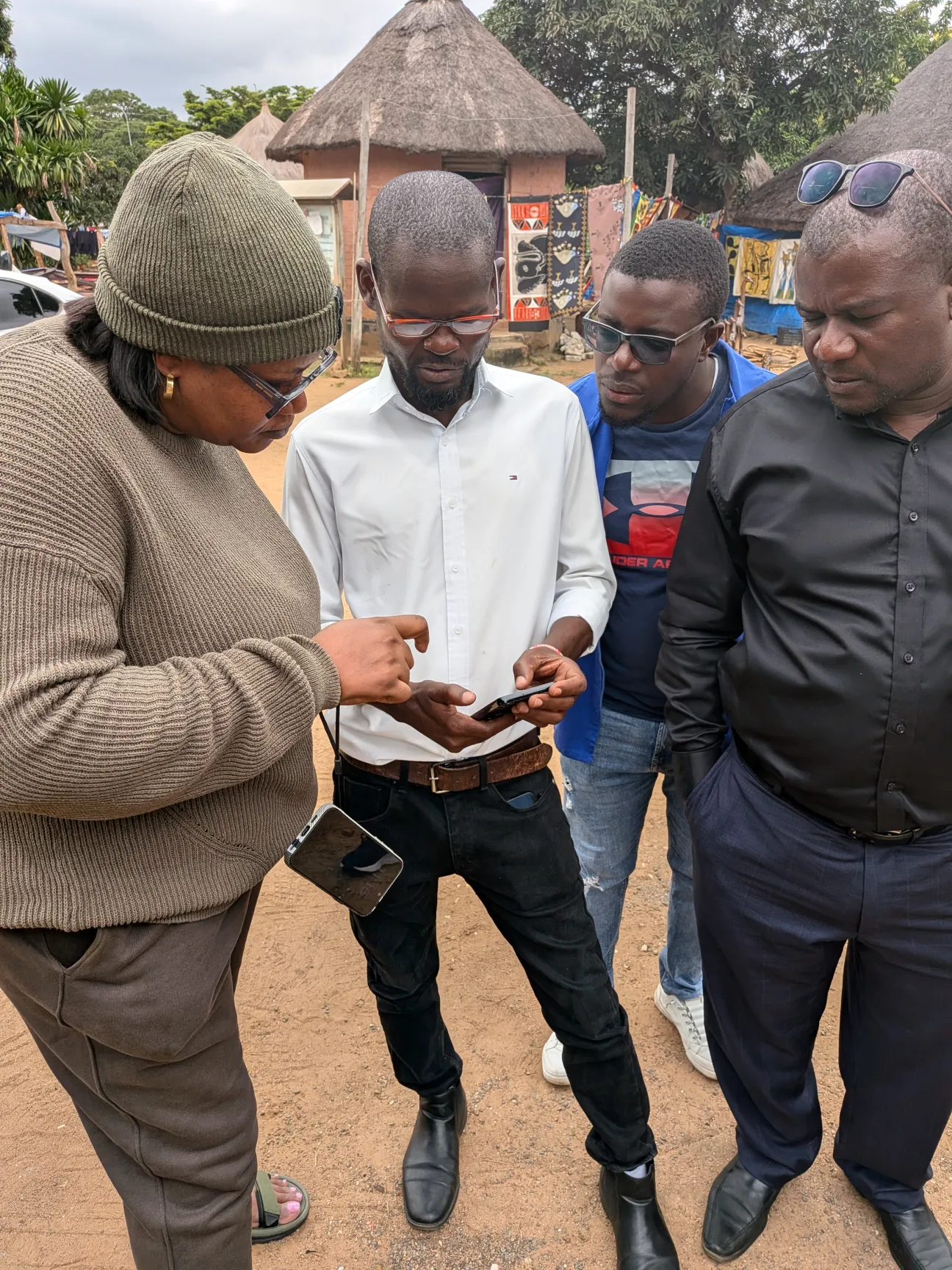
Overall, the pilot is expected to support training surveillance experts how to use the application, improving reporting workflows, and collecting valuable user feedback to further refine the tool. Altogether, the activities conducted during this phase will strengthen early detection and response capacities and provide important lessons for future roll-out in Zambia and other partner countries.
The next step will be the launch of a more comprehensive pilot phase in Zambia, during which community healthcare workers will be trained to use the application as part of their routine surveillance activities.
This initiative is part of the Africa CDC–ECDC Partnership Project, supporting the strengthening of event-based surveillance and epidemic intelligence capacities across Africa through digital innovation and collaboration.


